
- Carpet Flooring
How To Choose Carpet Padding: The Unsung Hero Of Your Flooring
May 6, 2025

While the carpet itself often takes center stage in flooring decisions, the importance of how to choose carpet padding cannot be overstated. Often overlooked, carpet padding, also known as carpet underlayment, plays a critical role in the performance, comfort, and longevity of your carpet.
Understanding how to choose carpet padding that is appropriate for your specific carpet and traffic levels is essential for maximizing your flooring investment. This comprehensive guide will delve into the various types of carpet padding and provide insights on how to choose carpet padding wisely.
The Vital Functions of Carpet Padding
Before exploring how to choose carpet padding, it’s crucial to understand the multifaceted roles it plays:
Comfort Underfoot: Padding provides a cushioning layer that makes your carpet feel softer and more luxurious to walk on. The right padding can significantly enhance the tactile experience of your flooring.
Noise Reduction: Carpet padding acts as a sound barrier, absorbing impact noise and reducing sound transmission between floors. This is particularly important in multi-story homes or apartments.
Carpet Protection: Padding absorbs the impact of foot traffic, preventing excessive wear and tear on the carpet fibers and backing. This helps to extend the lifespan of your carpet and maintain its appearance.
Insulation: Carpet padding adds an extra layer of insulation, helping to keep your floors warmer in the winter and potentially reducing energy costs.
Support for the Carpet: Padding provides a stable and supportive base for the carpet, preventing stretching and wrinkling. It helps the carpet maintain its shape and appearance over time.
Shock Absorption: Padding helps to absorb the shock of footsteps, reducing strain on your joints and muscles. This can be especially beneficial in high-traffic areas.
Leveling Imperfections: Padding can help to smooth out minor imperfections in the subfloor, providing a more even surface for the carpet installation.
Types of Carpet Padding and How to Choose
Understanding the different types of carpet padding is fundamental to how to choose carpet padding effectively. Each type has its own characteristics, advantages, and disadvantages:
Rebonded Foam Padding
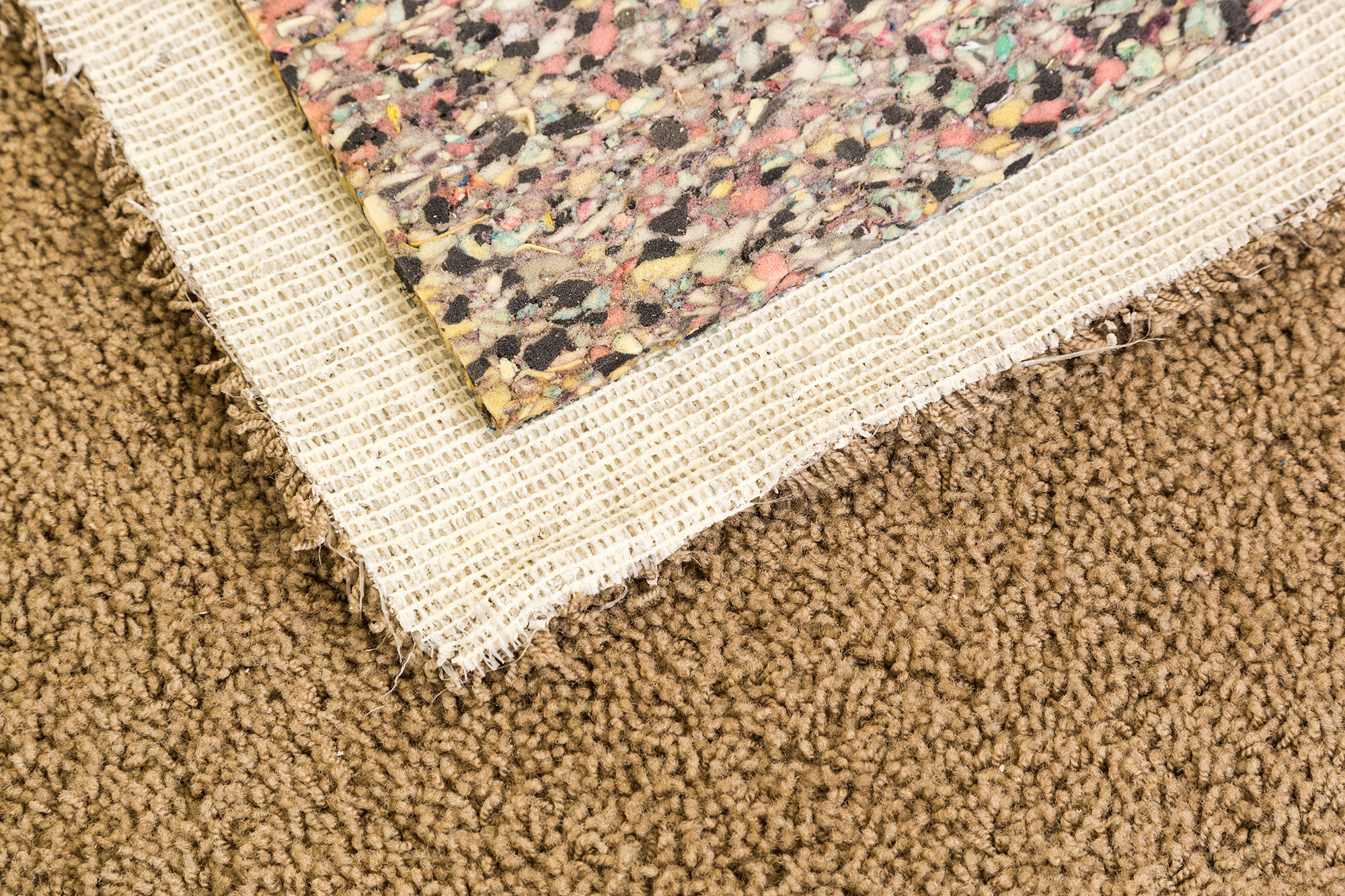
Rebonded foam, often referred to as “rebond,” is one of the most common and cost-effective types of carpet padding. It is made from recycled pieces of polyurethane foam that are bonded together to create a dense and resilient layer.
Pros: Affordable, offers good cushioning and support, available in various thicknesses and densities, suitable for most residential applications.
Cons: Can break down over time in very high-traffic areas, may not be the best choice for very plush carpets, can absorb moisture if exposed to spills.
How to Choose: For moderate to high traffic areas, choose a higher density rebond padding (6-8 pounds per cubic foot). Thickness typically ranges from 3/8 to 1/2 inch for most residential carpets.
Frothed Foam Padding
Frothed foam padding is made by whipping polyurethane into a froth and then allowing it to solidify. This process creates a lightweight yet dense padding with excellent support.
Pros: Good density and support despite being lightweight, excellent for cut-pile carpets, resists crushing well, can offer good noise reduction.
Cons: Can be more expensive than rebond, may not offer the same level of cushioning as some other types.
How to Choose: Look for a density of around 8-10 pounds per cubic foot. Thickness typically ranges from 1/4 to 3/8 inch, especially for Berber and other low-pile carpets.
Memory Foam Padding
Similar to the memory foam used in mattresses, memory foam carpet padding conforms to the shape of your feet, providing exceptional comfort and pressure relief.
Pros: Excellent comfort and cushioning, good noise reduction, can help to extend carpet life by reducing fiber crushing.
Cons: Can be significantly more expensive than other types of padding, may not offer the same level of support as denser options in very high-traffic areas.
How to Choose: Consider thickness based on your comfort preference and carpet type. Density is also important for support.
Rubber Padding
Rubber padding is known for its exceptional durability and resilience. There are two main types:
Waffle Rubber: Features a waffle-like pattern that provides good cushioning and airflow.
Flat Rubber: A dense, solid rubber that offers excellent support and crush resistance, ideal for high-traffic commercial areas and Berber carpets.
Pros: Excellent durability and support, resists crushing extremely well, good noise reduction, often a good choice for commercial applications and Berber carpets.
Cons: Can be more expensive than foam padding, waffle rubber may not be suitable for all carpet types.
How to Choose: For residential use, waffle rubber with a thickness of 1/4 to 3/8 inch and a density of 8-12 pounds per cubic foot is often recommended. Flat rubber is typically used in commercial settings.
Fiber Padding
Fiber padding is made from natural or synthetic fibers that are compressed into a dense mat. Common materials include jute, hair (animal or synthetic), and recycled textiles.
Pros: Firm and supportive, often made from recycled materials, good for Berber and loop-pile carpets, can be relatively affordable.
Cons: May not offer the same level of cushioning as foam or rubber, can be susceptible to moisture damage.
How to Choose: Look for a density that provides firm support for your carpet type. Thickness varies depending on the fiber and construction.
Key Factors in How to Choose Carpet Padding
Beyond the material type, several other factors influence how to choose carpet padding wisely:
Carpet Type:
Different carpet constructions require different types and thicknesses of padding. For example, Berber and other loop-pile carpets generally require thinner, denser padding to prevent excessive flexing, while plush carpets benefit from thicker, more cushioned padding. Always follow the carpet manufacturer’s recommendations.
Traffic Level:
High-traffic areas like hallways, stairs, and living rooms require denser, more resilient padding that can withstand constant foot traffic without compressing too quickly.
Subfloor Type:
The type of subfloor (concrete, wood, etc.) can influence the best padding choice. Concrete subfloors, for example, may benefit from padding with a moisture barrier.
Thickness:
Padding thickness typically ranges from 1/4 inch to 1/2 inch. Thicker padding provides more cushioning but may not be suitable for all carpet types or under furniture in high-traffic areas. Again, follow the carpet manufacturer’s guidelines.
Density:
Density, measured in pounds per cubic foot, indicates the amount of material packed into the padding. Higher density padding generally offers better support and durability.
Noise Reduction Rating (STC/IIC):
If noise reduction is a primary concern, look for padding with a high Sound Transmission Class (STC) and Impact Insulation Class (IIC) rating.
Warranty Requirements:
Some carpet manufacturers have specific padding requirements that must be met to maintain the carpet warranty. Always check these requirements before making a decision.
Budget:
Carpet padding prices can vary significantly depending on the material, thickness, and density. Determine your budget and explore the best options within that range.
The Importance of Professional Advice
Navigating the world of carpet padding and understanding how to choose carpet padding that is right for your needs can be complex. Consulting with flooring professionals can provide invaluable guidance. They can assess your specific situation, consider your carpet type and traffic levels, and recommend the best padding options to maximize the performance and longevity of your new flooring.
Consult the Carpet Experts at National Floors Direct Today!
Understanding how to choose carpet padding is just as important as selecting the carpet itself. The right padding enhances comfort, extends the life of your carpet, reduces noise, and provides insulation. By considering the different types of padding, key factors like carpet type and traffic level, and seeking professional advice, you can ensure that the unsung hero beneath your carpet contributes significantly to the overall quality and enjoyment of your flooring for years to come.
Contact National Floors Direct. We Bring the Store to Your Door℠. We are a direct-to-consumer carpet & flooring specialty service. We’ll visit your home or office with samples from all of the leading brands in the industry. You can see what they look like in your space, with your lighting, and your furniture. Our flooring professionals will help you choose the products that best fit your needs and then measure and price the job. With National Floors Direct, you get instant, accurate estimates on an incredible catalog of carpet, hardwood, laminate, and luxury vinyl flooring products.
You Might Also Like
- Carpet Flooring
June 9, 2025
Understanding Carpet Ounces Rating: What Face Weight Means For Your Flooring Investment

Get Your
FREE
In-Home
Flooring Estimate