
- Luxury Vinyl Flooring
Lvt Vs. Vct: Understanding The Differences For Your Commercial Or Residential Project
June 17, 2025

In the world of resilient flooring, Luxury Vinyl Tile (LVT) and Vinyl Composite Tile (VCT) are two widely used options, particularly in commercial settings, but also increasingly in residential applications. While both are types of vinyl flooring, they possess distinct compositions, performance characteristics, and aesthetic capabilities.
Understanding the fundamental differences between LVT vs. VCT is crucial for making an informed decision that aligns with your project’s needs, budget, and long-term goals. National Floors Direct, a direct-to-consumer carpet & flooring specialty service, brings the store to your door nationwide, offering an incredible catalog of flooring options, including both LVT and VCT, to help you choose wisely.
The Core Distinction: Composition and Manufacturing
The primary difference between LVT vs. VCT lies in their composition and how they are manufactured, which dictates their performance attributes.
What is VCT (Vinyl Composite Tile)?
- Composition: VCT is a composite material, traditionally made from a blend of PVC (polyvinyl chloride), limestone, fillers, and color pigments. The significant limestone content (often up to 80%) contributes to its rigidity and lower cost.
- Manufacturing: It’s produced in large sheets, then cut into tiles, typically 12×12 inches.
- Appearance: VCT typically has a more uniform, utilitarian appearance, often with a slight matte finish. While colors are available, patterns are generally less intricate and realistic than LVT.
What is LVT (Luxury Vinyl Tile/Plank)?
- Composition: LVT is a more advanced product, composed primarily of pure PVC vinyl layers, a high-definition photographic print layer, and a clear protective wear layer. Newer forms, like SPC (Stone Plastic Composite) and WPC (Wood Plastic Composite), incorporate rigid core layers for enhanced stability and waterproof properties.
- Manufacturing: LVT is engineered in layers, designed to replicate the look and feel of natural materials like wood, stone, and ceramic. It comes in various sizes and shapes, including planks (LVP) and tiles (LVT).
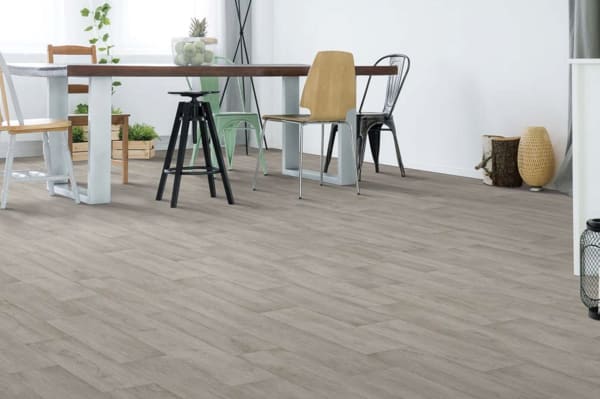
- Appearance: LVT excels in realism, featuring highly detailed visuals and often embossed-in-register (EIR) textures that mimic the grain of wood or the texture of stone.
Key Differences: LVT vs. VCT Performance and Application
Let’s delve into the specific areas where LVT vs. VCT diverge in performance and typical use cases:
Aesthetics and Design Versatility
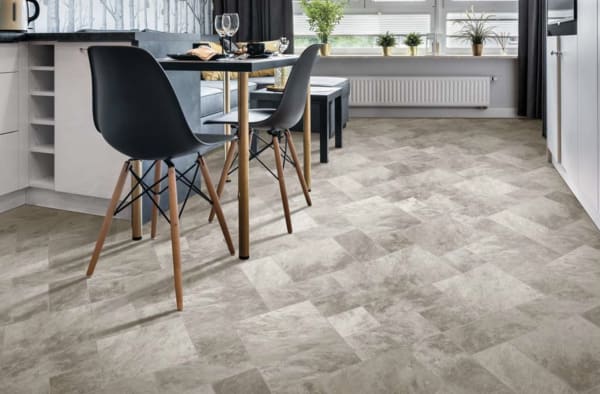
- LVT: This is where LVT truly shines. Its advanced printing technology allows for incredibly realistic reproductions of natural hardwood, stone, and ceramic. It comes in a vast array of colors, patterns, and sizes (planks mimicking wood, tiles mimicking stone), often with beveled edges and textures that add to its authenticity. It’s designed to be visually appealing and can elevate any space.
- VCT: VCT offers a more traditional, commercial aesthetic. While it comes in many colors and can be installed in creative patterns (e.g., checkerboard), its design capabilities are more limited compared to LVT. It doesn’t typically mimic natural materials with the same level of realism.
Durability and Indentation Resistance
- LVT: Generally highly durable, especially products with thicker wear layers and rigid cores (SPC/WPC). It offers excellent resistance to dents, scratches, and scuffs, making it suitable for both residential and high-traffic commercial areas.
- VCT: While durable against foot traffic and abrasion, VCT is more susceptible to indentations from heavy static loads (e.g., heavy furniture or equipment). Its composite nature makes it less flexible than LVT.
Water Resistance
- LVT: Many modern LVT products, particularly those with SPC or WPC cores, are 100% waterproof. This makes them ideal for moisture-prone areas like bathrooms, kitchens, and basements in both residential and commercial settings.
- VCT: VCT itself is water-resistant, but its porous nature (due to the limestone content) means it’s not truly waterproof and requires regular waxing and polishing to seal its surface and protect it from moisture penetration and staining. Standing water can eventually compromise VCT if not properly maintained.
Maintenance and Lifespan
- LVT: Known for its low maintenance. It typically requires only regular sweeping, vacuuming, and occasional damp mopping. It does not require waxing or polishing. Its wear layer is designed for long-term performance without extensive upkeep.
- VCT: Requires more intensive and regular maintenance. To maintain its appearance and protect its porous surface, VCT needs frequent stripping, waxing, and polishing. While individual tiles can be replaced, the ongoing maintenance adds to its long-term cost.
Installation Method
- LVT: Offers diverse installation options. Many LVT products feature click-lock systems for floating installations, making them popular for DIY projects and faster installations. LVT can also be glued down for maximum stability.
- VCT: Primarily installed using a full-spread adhesive (glue-down). This requires careful subfloor preparation to ensure a smooth, even surface.
Cost
- LVT: Generally has a higher upfront material cost than VCT, especially for premium, rigid core products with thick wear layers. However, its lower long-term maintenance costs can offset this initial investment.
- VCT: Typically has a lower upfront material cost, making it a very budget-friendly option for large commercial projects. However, its ongoing maintenance requirements (stripping, waxing, labor) often mean a higher total cost of ownership over its lifespan.
Choosing Between LVT vs. VCT
Your choice between LVT vs. VCT will largely depend on your specific needs:
- For High-Traffic Commercial Spaces with Strict Budgets and Maintenance Capacity: VCT can be a cost-effective choice if you have a dedicated maintenance team or budget for regular waxing/polishing.
- For Areas Requiring High Aesthetics and Low Maintenance: LVT is the superior choice for its realistic visuals, durability, and minimal upkeep.
- For Moisture-Prone Areas: 100% waterproof LVT (SPC/WPC) is the clear winner.
- For Ease of Installation: Floating LVT systems offer quicker installation.
Make Your Space Stand Out with High-Quality LVT
Both LVT and VCT offer resilient and durable flooring solutions, but their differences in composition, aesthetics, maintenance, and water resistance make them suitable for different applications. Understanding the nuances of LVT vs. VCT is crucial for making a smart flooring decision. At National Floors Direct, our flooring professionals are here to guide you through our extensive selection. We bring the store to your door, allowing you to compare products in your home or office environment and receive instant, accurate estimates.
Schedule a Free Estimate with National Floors Direct. We Bring the Store to Your Door℠. We are a direct-to-consumer carpet & flooring specialty service. We’ll visit your home or office with samples from all of the leading brands in the industry. You can see what they look like in your space, with your lighting, and your furniture. Our flooring professionals will help you choose the products that best fit your needs and then measure and price the job. With National Floors Direct, you get instant, accurate estimates on an incredible catalog of carpet, hardwood, laminate, and luxury vinyl flooring products.
You Might Also Like
Get Your
FREE
In-Home
Flooring Estimate