
- Carpet Flooring
The Best Types Of Carpet For Stairs: Safety, Durability, And Style
April 11, 2025
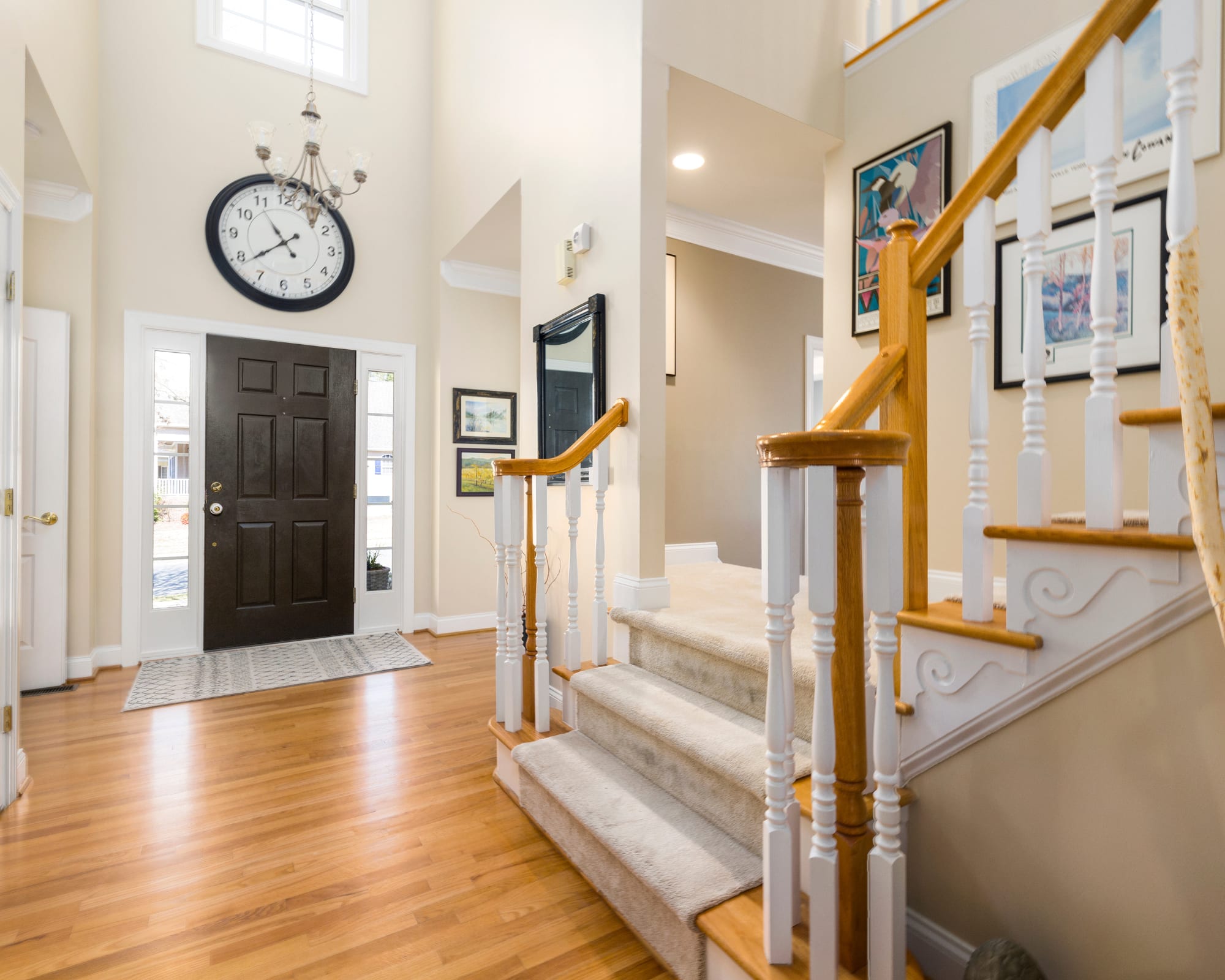
Stairs are a high-traffic area in any multi-level home, demanding a flooring solution that prioritizes safety, durability, and aesthetic appeal. Choosing the right carpet for stairs is crucial for preventing slips and falls, withstanding constant foot traffic, and enhancing the overall look of your staircase.
Explore the types of carpet for stairs that offer the best combination of these essential qualities.
Prioritizing Safety on Stairs
Safety is the paramount concern when selecting carpet for stairs. The right carpet can significantly reduce the risk of slips and falls, especially for children, the elderly, and pets.
Key Safety Features to Look For:
Good Traction:
Carpets with a dense, low-profile construction provide better grip than thick, plush options. Tightly woven fibers create a more stable surface for each step, minimizing the likelihood of a foot sliding.
Loop pile or cut-and-loop constructions are often preferred over high pile or shag carpets, as they offer a more consistent and secure contact point for footwear and paws. This enhanced traction is crucial for preventing missteps and maintaining balance while ascending or descending stairs.
Durability:
A durable carpet will maintain its texture and grip over time, even with heavy use. Stairs are high-traffic areas, and a carpet that wears down quickly can lose its intended safety features.
Selecting a carpet made from resilient fibers like nylon or a durable Berber weave ensures that the pile retains its density and the surface remains slip-resistant for years to come. This longevity is not just about aesthetics; it’s about consistently providing a safe walking surface.
Secure Installation:
Proper installation is essential to ensure the carpet stays firmly in place and doesn’t become a tripping hazard itself. A carpet that is loosely installed or not adequately secured to each step can shift or bunch up, creating an unstable and dangerous surface.
Professional installation, using techniques like tucking and securing the carpet tightly to the stair treads and risers, is crucial for maximizing safety and preventing movement that could lead to falls.
Durability for High-Traffic Stairs
Stairs endure constant foot traffic, making durability a critical factor in carpet selection. The best carpet for stairs will resist wear and tear, maintain its appearance, and last for years.
Factors Contributing to Carpet Durability on Stairs:
Fiber Type:
Some carpet fibers possess inherent properties that make them more resistant to wear and tear than others. For example, nylon is widely considered one of the most durable synthetic fibers, known for its resilience and ability to bounce back from crushing. Wool, a natural fiber, is also highly durable and known for its longevity, often lasting for decades with proper care.
In contrast, fibers like polyester, while often offering good stain resistance and softness, may be less resistant to crushing and matting in high-traffic areas. The choice of fiber directly impacts how well the carpet will withstand daily use.
Density:
Carpet density refers to how tightly the fibers are packed together in the carpet backing. Higher density carpets contain more yarn per square inch, resulting in a denser and more supportive structure. This increased density allows the carpet to better withstand the pressure of foot traffic and furniture, reducing the likelihood of the fibers being crushed or matted down over time.
A simple way to visualize this is to imagine a thick lawn versus a sparse one – the denser lawn will hold up to more activity. Therefore, carpets with a higher density rating generally exhibit greater durability and maintain their appearance for longer, especially in busy areas of a home.
Construction:
The way a carpet is constructed significantly influences its durability. Loop pile carpets, where the yarn loops remain uncut, tend to be very durable and resistant to wear because the loops provide a tight and resilient surface. Cut-and-loop constructions, which combine both looped and cut fibers, also offer good durability and can create interesting patterns while maintaining resilience.
In contrast, high pile carpets, with their long, loose fibers, are more prone to matting and crushing underfoot. Similarly, shag carpets, with their very long and loosely twisted fibers, are generally less durable and can show wear more easily. The tighter and more integrated the construction, the better the carpet will typically withstand traffic and maintain its appearance over time.
Exploring the Best Types of Carpet for Stairs
Considering safety and durability, here are some of the best types of carpet for stairs:
Low-Pile Carpet:
Characteristics: Densely packed, short fibers.
Benefits for Stairs: Excellent durability, good traction, easy to clean, resists crushing and matting.
Examples: Berber, level loop, cut-and-loop.
Berber Carpet:
Characteristics: Low-level loops with a tight construction.
Benefits for Stairs: Highly durable, excellent for high-traffic areas, good stain resistance (depending on fiber).
Considerations: Can snag if pulled by pets’ claws.
Level Loop Carpet:
Characteristics: Loops of the same height, creating a uniform and dense surface.
Benefits for Stairs: Very durable, good for heavy traffic, provides a consistent texture for safety.
Considerations: Can also snag.
Cut-and-Loop Carpet:
Characteristics: A combination of cut and looped fibers, often creating patterns.
Benefits for Stairs: Offers good durability and visual interest, with the looped portions providing resilience.
Considerations: Durability can vary depending on the loop density and cut pile height.
Nylon Carpet:
Characteristics: A synthetic fiber known for its exceptional durability and resilience.
Benefits for Stairs: Excellent resistance to wear, crushing, and staining, good for high-traffic areas.
Considerations: Can be more expensive than other synthetic options.
Olefin (Polypropylene) Carpet:
Characteristics: A synthetic fiber that is very stain-resistant and moisture-resistant.
Benefits for Stairs: Affordable, good for basements and areas prone to spills, durable.
Considerations: Less resilient than nylon and can be prone to crushing in very high-traffic areas.
Carpet Styles to Avoid on Stairs:
High Pile Carpet (e.g., Shag): Can be slippery and less stable underfoot, posing a safety hazard. Also prone to crushing and matting in high-traffic areas like stairs.
Thick, Plush Carpet: Similar to high pile, can lack the necessary stability and traction for safe stair use.
The Importance of Proper Installation on Stairs
Even the best carpet for stairs will not perform well if improperly installed. Professional installation ensures the carpet is securely attached to each step, minimizing the risk of shifting or bunching, which can lead to trips and falls. A tight and secure installation also contributes to the carpet’s longevity.
National Floors Direct provides professional shop-at-home services, bringing a wide selection of suitable carpets for stairs directly to your door, along with expert advice on the best choices for your home and professional measurement and pricing.
Shop for the Perfect Stairs with National Floors Direct
Choosing the right carpet for stairs is a crucial decision that impacts safety, durability, and the overall aesthetic of your home. Low-pile, dense carpets like Berber, level loop, and cut-and-loop, especially those made from durable fibers like nylon or olefin, are generally the best options.
Prioritizing safety and durability, along with professional installation, will ensure your stairs are both beautiful and secure for years to come. Contact National Floors Direct for a shop-at-home experience and expert guidance on selecting the perfect types of carpet for stairs for your nationwide needs.
You Might Also Like
- Carpet Flooring
June 9, 2025
Understanding Carpet Ounces Rating: What Face Weight Means For Your Flooring Investment
Get Your
FREE
In-Home
Flooring Estimate