

- Engineered Wood Flooring
What Are The Advantages & Disadvantages Of Engineered Wood Flooring?
August 26, 2024
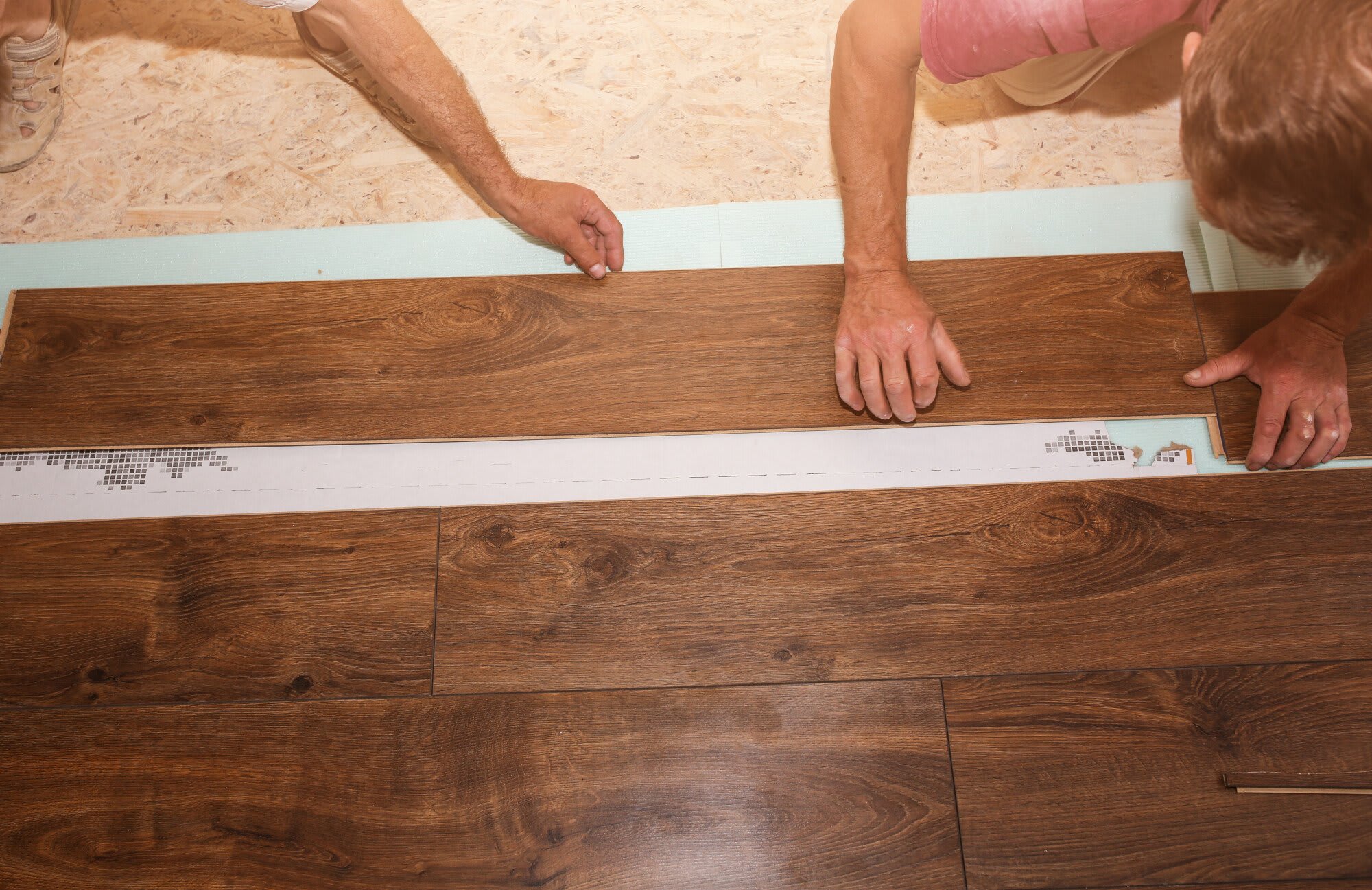
Recent reports indicate that natural materials are a leading home design trend for 2024, and wood flooring remains a timeless favorite. Known for its durability, renewability, beauty, and often surprising affordability, wood is a practical choice for many homeowners. Engineered wood flooring is one such popular option.
However, before replacing your existing floors, it’s essential to be aware of the advantages and disadvantages of engineered wood flooring for your home. Today we’ll discuss, what is engineered wood flooring, the benefits and drawbacks of engineered hardwood flooring, as well as engineered hardwood vs hardwood.
Table of Contents:
- What is Engineered Wood Flooring?
- Let’s Start with the Disadvantages of Engineered Wood Flooring
- Breaking Down the Advantages of Engineered Wood Flooring
- Engineered Hardwood vs hardwood vs Solid Hardwood: How the Two Compare
- Find the Perfect Hardwood Flooring for Your Space with National Floors Direct
What is Engineered Wood Flooring?
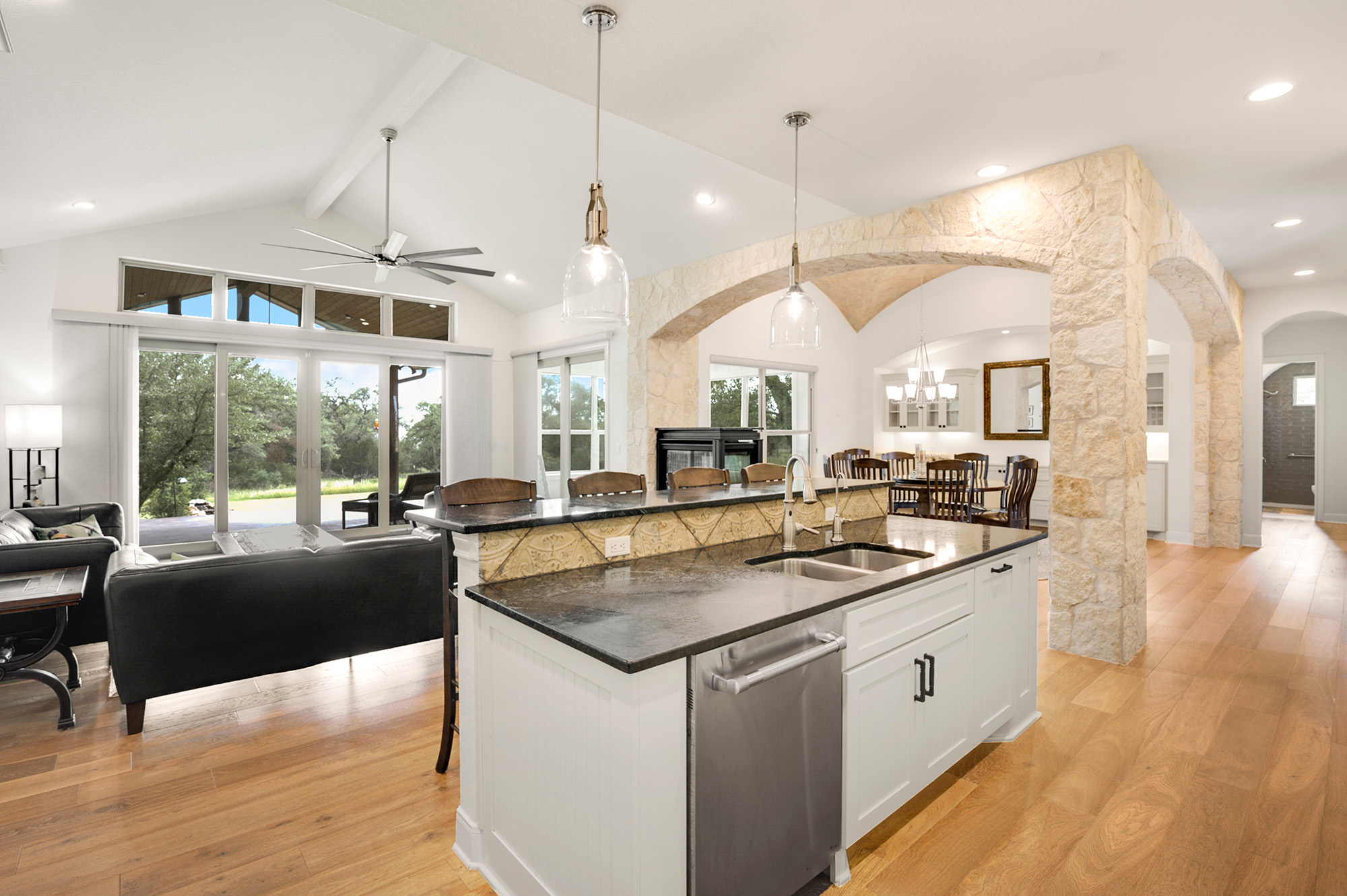
Engineered wood flooring is a versatile and durable alternative to solid hardwood, constructed from multiple layers of wood veneer bonded together, with a top layer of real hardwood providing the desired species and appearance. This layered construction offers enhanced stability, making it less susceptible to expansion and contraction due to moisture and temperature fluctuations compared to solid wood.
As a result, engineered wood can be installed in more areas of the home, including basements and over concrete subfloors, while still providing the natural beauty and feel of real hardwood.
Let’s Start with the Disadvantages of Engineered Wood Flooring
Engineered Wood Flooring Is Pricey
One big disadvantage of engineered wood flooring is the cost. Compared to many types of flooring, engineered wood is more expensive. It’s more expensive than options such as carpeting, vinyl, or laminate flooring. Although solid hardwood floors are typically more expensive, you have to consider the quality of the flooring you’re getting. Natural hardwood is superior in quality, durability, and appearance. If you choose engineered wood products, be sure to select higher-grade options of engineered wood.
Engineered Hardwood Has a Low-Quality Core
When choosing floors, be sure to consider how wood flooring differs from engineered wood at its core. Engineered wood is created with processed layers that are glued together. Over these layers, there’s another layer of high-quality veneer. Even though the piece may look like solid wood, it’s actually made of layers of an inferior wood product. The composition of engineered wood varies.
Sometimes, the layers are made of oriented strand board (OBS). This makes your flooring less durable to any impact and weight from heavy objects. Engineered wood can be difficult to refinish. Its low-quality core is sensitive to temperature fluctuations, and refinishing results can vary.
Engineered Wood Floors are Prone to Fading
Engineered wood flooring fades over time as it’s exposed to sunlight. If your home gets lots of natural light, you can expect some fading. Most homes do get some natural light, and area rugs and furniture over an engineered wood surface can make the problem worse. This can result in areas of uneven fading on your floors.
Although rugs may protect some areas of your floor, they can lead to noticeable harsh lines as other areas fade. If you have engineered wood flooring, it’s a good idea to keep your drapes or blinds closed during the sunniest part of the day to prevent fading.
Engineered Wood Must Acclimate
Many people aren’t aware that engineered wood flooring, like wood flooring, needs to acclimate. Wood flooring should sit in your home for several days before installation. For convenience, store the planks as close as possible to the area where you plan to install them. Storing them in a damp garage or basement won’t work. When there’s moisture present, wood planks can swell. This can create an uneven surface or gaps and cracks in the flooring.
Engineered Wood Requires Specific Care
If you’re choosing floors, you should know that engineered wood requires specific care. You want to avoid exposing these floors to any standing water. Wipe any spills or splashes right away to prevent water damage. Avoid using harsh cleaners that can erode or dull the engineered wood surface. It’s not a good idea to steam-clean engineered wood products. Heat and steam can damage the planks.
Using a steam mop can damage the wood surface as well. Whatever type of flooring you choose, be sure to read the manufacturer’s care instructions before cleaning your floor.
Engineered Hardwood Has Limits to Refinishing
Unlike tile or vinyl flooring, wood floors can be refinished. The refinished floor can look new again. With engineered wood floors, there’s a limit to how many times you can refinish them. These floors are created with layers of compressed materials with veneer on top.
Once the veneer has worn away, the beauty of the wood is gone, and it cannot be refinished. You can refinish traditional wood floors many times over the lifetime of the floor. You can also stain a wood floor, changing it from dark to light, or any option that’s on trend for the season.
Engineered Wood Flooring is Susceptible to Dents and Scratches
If you’re considering adding engineered wood flooring to your home, be aware that they are less durable than other flooring options. All wood floors are subject to wear and tear. The difference is a solid wood floor can be refinished, and that’s not always the case with an engineered wood product. If your floor is cheaply made with thin layers, it’s more vulnerable to dents and scratches. Dropping objects and even normal wear and tear can dent the surface and affect the appearance of your floor.
Engineered Wood Can Emit Dangerous Chemicals
Another disadvantage of engineered wood flooring is that it can emit potentially hazardous chemicals or VOCs. These types of floors are made of composite wood and held together with adhesive. Some cheaply made floors can emit formaldehyde or other VOCs. Many engineered wood products are safe, but they’re not all created equally.
Well-known distributors and manufacturers are more likely to sell safe engineered wood products you can count on. To avoid this possibility completely, you may want to choose solid hardwood flooring for your home.
Engineered Wood Floorss Have Hollow Sounding Surface
Engineered wood is lighter and less dense than traditional wood. It’s made from composites and veneers and is typically thinner than solid wood planks. This can give the wood a hollow sound when you walk across it. Engineered wood is often installed as a floating floor. It isn’t nailed or glued down in the same way wood floors are.
This can also make the floor sound hollow or clunky as you walk across it. Low-grade wood products are more likely to produce these sounds. Dense, higher-quality engineered floors or solid wood floors do not produce these hollow sounds.
Breaking Down the Advantages of Engineered Wood Flooring
Now that we’ve covered the disadvantages of engineered wood flooring, let’s discuss the advantages:
Engineered Hardwood Floors Offer Enhanced Stability
Its multi-layered construction makes it significantly less prone to warping, cupping, and gapping compared to solid hardwood, especially in environments with fluctuating humidity and temperature levels. This stability allows for installation in a wider range of locations within a home, including basements and over concrete slabs.
Multiple Methods of Installing Your Engineered Wood Floors
Engineered wood can be installed using various methods like gluing, stapling, or floating, offering greater flexibility depending on the subfloor and project requirements. This adaptability can simplify the installation process, potentially saving time and costs.
Engineered Hardwood Flooring is Easy to Maintain
The durable wear layer on many engineered wood products offers good resistance to scratches, stains, and fading, making it easier to clean and maintain compared to some solid hardwood finishes. This robust surface guards against the daily wear and tear of foot traffic, dropped objects, and furniture movement, significantly minimizing scuffs and scratches compared to some traditional solid hardwood finishes that may be more susceptible to surface damage.
Engineered Hardwood vs Solid Hardwood: How the Two Compare
If you aren’t sure about engineered hardwood flooring, consider solid hardwood flooring for your home. Understanding the nuances between engineered hardwood vs hardwood floors that are solid are crucial for enhancing your living space.
- Authentic Longevity: Solid hardwood offers a timeless quality and the potential to last for generations, with the ability to be refinished multiple times to restore its original beauty, a characteristic engineered wood can’t always match.
- Natural Character and Value: Each plank of solid hardwood is a unique piece of natural wood, showcasing inherent variations in grain and color that many perceive as richer and more valuable over time.
- Superior Refinishing Capability: Solid hardwood’s substantial thickness allows for numerous sanding and refinishing processes, ensuring its enduring appeal and adaptability to changing styles throughout the life of your home.
- Timeless Investment: While the initial cost might be higher, solid hardwood is often seen as a long-term investment that can enhance a home’s resale value due to its established reputation for quality and durability.
- Classic Feel and Sound: Solid hardwood provides a distinct, solid feel underfoot and a natural sound that many homeowners prefer over the layered construction of engineered wood.
- Consistent Material Integrity: Being a single piece of wood, solid hardwood offers consistent material integrity throughout, unlike engineered wood which relies on bonded layers.
- Potential for Deeper Repairs: In case of significant damage, solid hardwood often allows for more extensive and seamless repairs compared to the layered structure of engineered wood.
- Established History and Preference: Solid hardwood has a long and established history as a premium flooring choice, often preferred by those seeking traditional elegance and lasting quality.
- Enhanced Dimensional Stability (with proper acclimation): While susceptible to extreme moisture, when properly acclimated and installed in suitable environments, solid hardwood offers excellent dimensional stability for the long term.
- Contribution to Air Quality: Solid hardwood is a natural material and, with proper low-VOC finishes, can contribute to better indoor air quality compared to some engineered wood products that may contain adhesives.
Find the Perfect Hardwood Flooring for Your Space with National Floors Direct
Although they can be beautiful, there are some distinct disadvantages of engineered wood flooring. It’s important to consider the advantages and disadvantages of engineered wood flooring including engineered hardwood vs hardwood so that you can make the best decision for your home and your family. At National Floors Direct, we feature top brands in carpet and flooring products. Every type of flooring we install exceeds U.S. standards. We offer the highest-quality flooring available at the lowest available prices.
If you’re ready for a new floor, get a free estimate today.
You Might Also Like
- Engineered Wood Flooring
December 18, 2020
The Different Types Of Wood Flooring And Which Is Best For You
Get Your
FREE
In-Home
Flooring Estimate